








QUOI DE NEUF ?
11
avr.
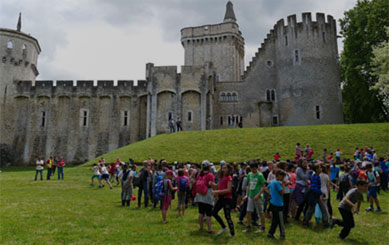
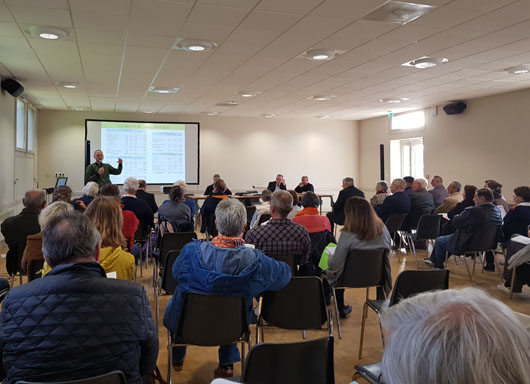
VOTE DU BUDGET 2024
Mardi 9 avril, le comité syndical du Parc était réuni à la salle des fêtes de Saint Michel en Brenne pour le vote du budget 2024, la remise des diplômes Qu...
Lire la suite...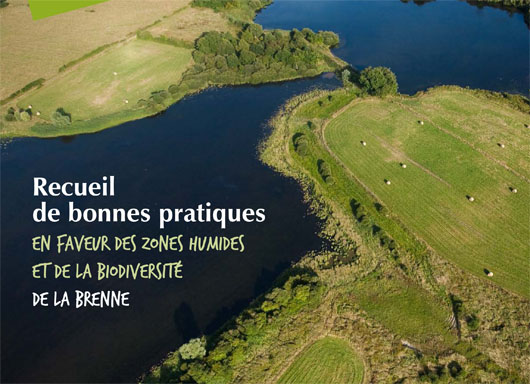
11
avr.
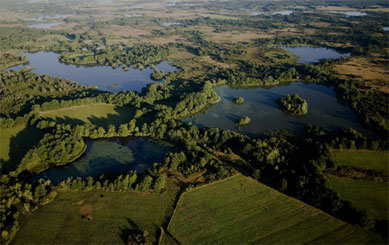
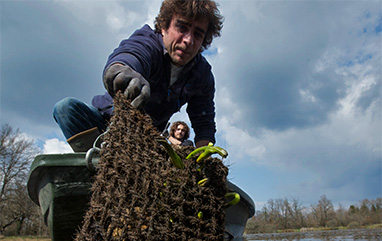
UN RECUEIL POUR LA GESTION DES ZONES HUMIDES
Un recueil des bonnes pratiques en faveur des zones humides vient d'être édité. Il sera diffusé prochainement auprès de propriétaires de la Grande Brenne. ...
Lire la suite...
11
avr.
LES FORCES MAJEURES : TOURNÉE MUSICALE À VÉLO
Créées sous l’impulsion de Raphaël Merlin (chef d’orchestre, violoncelliste et compositeur), les Forces Majeures sont à la fois un collectif et u... Lire la suite...
11
avr.
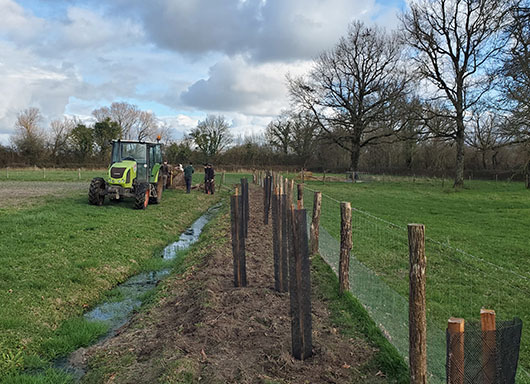
FORMATIONS HAIE ET PLANTATIONS 2024
Le Parc naturel régional mène un projet global pour le bocage. Ainsi formations, chantiers, achats groupés de plants sont notre quotidien. Voici le résumé d...
Lire la suite...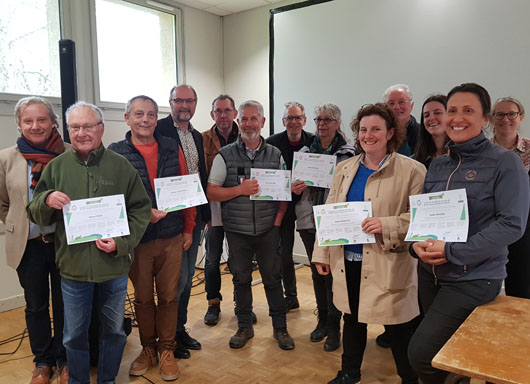
11
avr.
LES GUIDES NATURE DU PARC RECONNUS AU NIVEAU NATIONAL
34 guides nature du Parc naturel régional de la Brenne sont aujourd’hui titulaires du label « Qualinat / Qual...
Lire la suite...A la une